

If your child is scared of needles, the appointment itself is only part of the challenge. What you do in the days before, and in the ten minutes before the needle goes in, makes the biggest difference to how it goes.
This is a practical, appointment-focused checklist. If you want to understand why needle fear happens in the first place and how to help your child overcome it long term, read the full guide: How to Overcome Needle Phobia. For what the fear is called and where it comes from, see What Is Trypanophobia?
Time the conversation carefully
Avoid telling your child weeks or even days beforehand. A day or two before the appointment is usually the right window, enough time to prepare, not enough time to dwell. When you tell them, be calm and reassuring. Explain why they need the injection: to stay well and healthy.
Be honest about what will happen
Don't tell your child the procedure won't hurt if it might. Hiding what's coming can cause resentment, fear, or trust issues later. Talk to them matter-of-factly: "You have a doctor's appointment tomorrow. You'll be getting a couple of shots." Answer their questions honestly. "Yes, it might hurt or pinch a little, but it will be over fast."
Introduce Buzzy before the appointment
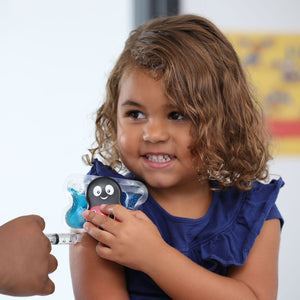
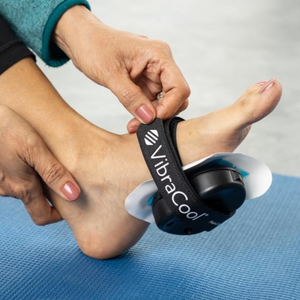
Let your child see Buzzy Personal and explain how it works before you arrive. Buzzy's vibration interferes with the pain signals travelling to the brain, and the ice-cold wings numb the skin, giving your child a distraction from what's happening at the same time. See how to use Buzzy for a quick walkthrough before your appointment. If you are not sure which model suits you, compare the Buzzy models for home and clinic use.
Get organised on the day
Don't run late or rush. Being organised keeps everyone calmer, including your child, who will pick up on your energy either way. Consider bringing a friend, partner, or family member for support, and pack a drink and snacks for afterwards.
Pack comfort items and distraction tools
If your child has a favourite toy, blanket, or dummy, bring it. Depending on their age, an iPad, photos on your phone, or Buzzy's Distraction Cards can help too. For more ideas, see our distraction toolbox guide.
Stay relaxed and positive during the procedure
Act relaxed, positive, and supportive. Your behaviour has a real, measurable effect on how much pain and distress your child feels, and they will pick up on your anxiety if you're anxious. Be supportive without being excessive. Humour and distraction reliably reduce distress more than sympathy does.
Tell the nurse if either of you is nervous
Offer reassuring smiles, encouragement, and the promise of a reward for getting through it. If you or your child are particularly nervous, say so. Nurses and vaccination staff see needle-anxious kids every day and can adjust how they work with you.
Praise generously afterwards
Once it's done, give plenty of praise and hugs. Ending on a positive note helps shape how your child remembers the whole experience, and how they'll feel about the next one.

