If yourheart starts racing every time you see a needle, you’re not alone. 

Many people experience intense anxiety, dizziness, or even the feeling that they might faint during injections, blood tests, or vaccinations. This is often referred to asneedle fear, and for some people it can develop intoneedle phobia, a medically recognized condition. Despite how common it is, fear of needles is often dismissed as something people should simply push through. But research shows thatignoring needle fear can actually make the problem worse over time. 


Understanding why needle fear happens is the first step toward improving the experience of injections. 

What Is Needle Phobia (Trypanophobia)?

Needle phobia, also known as trypanophobia, is an intense and persistent fear of needles, injections, and medical procedures involving them.

It is classified as a specific phobia and can cause both emotional and physical reactions, including:

  • Rapid heartbeat
  • Sweating and nausea
  • Dizziness or lightheadedness
  • Panic or overwhelming anxiety
  • Fainting

For many people, even seeing a needle or simply anticipating an injection is enough to trigger these reactions. In some cases, the body triggers a vasovagal response — a sudden drop in blood pressure that causes dizziness or fainting.

This means trypanophobia is not simply a mental block. It involves a very real, measurable physiological response in the body.


How Common Is Fear of Needles in Australia? 

Fear of needles is more common than many people realize. 

Research shows that: 

  • Up to 25% of adults fear needles
  • 1 in 10 people avoid vaccinations or medical procedures entirely because of it
  • Many adults say their fear began afterpainful childhood injections 

This means early experiences with needles can shape how the brain responds to injections later in life. When injections are painful or stressful, the brain forms strong memories that associate needles with danger. 

Why Ignoring Needle Fear Can Make It Worse 

Many people are told to simply “look away” or “be brave” during injections. But ignoring needle fear doesn’t make the problem disappear.

Painful or stressful injections can strengthen the brain’s association between: 

Needle → fear → pain 

Over time, this can lead people to avoid important healthcare such as: 

  • vaccines 
  • blood tests
  • essential medical treatments 

This is why healthcare experts now recognise needle phobia as a significant barrier to public health — not just a personal inconvenience.

Why Children Are Especially Vulnerable 

Children are particularly sensitive to early needle experiences.

When a child experiences significant pain or distress during a vaccination or blood test, the brain can store that moment as a threat memory. This can create long-term anxiety around needles that follows them into adulthood.

The good news is the reverse is also true. Positive, less painful injection experiences in childhood can actively prevent needle phobia from developing in the first place. This is why making injections as comfortable as possible for children is so important — not just in the moment, but for their long-term relationship with healthcare.

How to Reduce Needle Pain and Anxiety 

Reducing pain during injections is one of the most effective ways to reduce fear.

A key concept in pain science is the gate control theory of pain. This theory explains that the brain can only process a limited number of sensory signals at once. Sensations like cold and vibration compete with pain signals before they reach the brain — effectively closing the "gate" on pain and reducing how much is felt.


This is not a distraction technique. It is a scientifically supported mechanism for pain reduction.

A Science-Backed Solution for Needle Phobia and Needle Fear

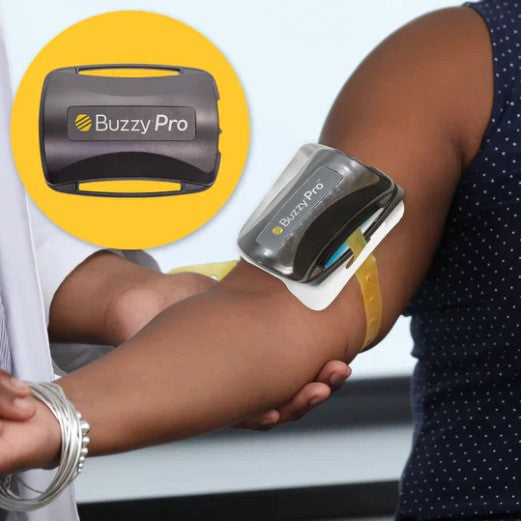
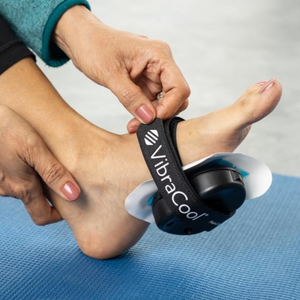
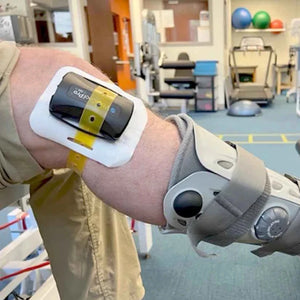
Buzzy is a clinically tested device that uses a combination of cold and vibration to reduce needle pain at the source.

By activating the gate control mechanism, Buzzy helps block pain signals before they reach the brain — making injections less painful and less stressful for both children and adults.

Clinical studies have shown Buzzy can reduce needle pain by up to 88%.


Buzzy is used by:

  • Parents supporting children through vaccinations
  • Adults managing needle anxiety and trypanophobia
  • Healthcare professionals and clinics across Australia and New Zealand

A less painful injection today can genuinely change how someone feels about needles for years to come.

You can break the cycle! 

Needle fear is real, common, and often misunderstood. Ignoring it doesn’t make it disappear. But improving the experience of injections can help break the cycle of fear and pain. 

For both children and adults, creating aless painful and less stressful injection experiencecan make a lasting difference. 

Learn more about Buzzy...


Frequently Asked Questions About Needle Fear 


What is needle phobia? Needle phobia, also known as trypanophobia, is an intense fear of needles and injections that causes emotional and physical symptoms including anxiety, dizziness, and fainting. It is a medically recognised specific phobia.

Why do I feel like I might faint when I see a needle? This is called a vasovagal response — a sudden drop in blood pressure triggered by the sight or anticipation of a needle. It is a real physiological reaction, not simply anxiety.

How common is needle phobia in Australia? Research suggests up to 25% of Australian adults fear needles, and around 1 in 10 avoid medical procedures entirely because of it. Many report their fear began during painful childhood injections.

How can I help my child who is afraid of needles? Reducing pain during the injection, using distraction techniques, keeping the environment calm, and using tools like Buzzy can all help children have a more positive experience — and prevent long-term needle phobia from developing.

Can needle phobia be prevented? Yes. Making early injection experiences less painful and less distressing significantly reduces the likelihood of needle phobia developing. This is especially important for young children.

Does Buzzy work for adults with needle phobia? Yes. Buzzy is used by both children and adults experiencing needle anxiety and trypanophobia. Clinical studies show it can reduce needle pain by up to 88%.

Don't let needle phobia stand between you and your health. Buzzy is clinically proven to reduce needle pain by up to 88% — and it's ready to use at your next injection. 👉 Shop Buzzy Today

More stories

Easing Dialysis Cannulation Pain with Buzzy Pro!

Easing Dialysis Cannulation Pain with Buzzy Pro!

Kidney failure is a growing health issue in Australia and New Zealand. Between 2000 and 2021, the number of people receiving dialysis in Australia...

Jane Sayers ·
Needle Phobia: How Buzzy Helps Make Vaccinations and Blood Tests Easier for Children and Adults

Needle Phobia: How Buzzy Helps Make Vaccinations and Blood Tests Easier for Children and Adults

For some children, the fear of needles begins long before the injection itself. It starts in the waiting room, the moment they realise where they a...

Youstina Bebawy ·